
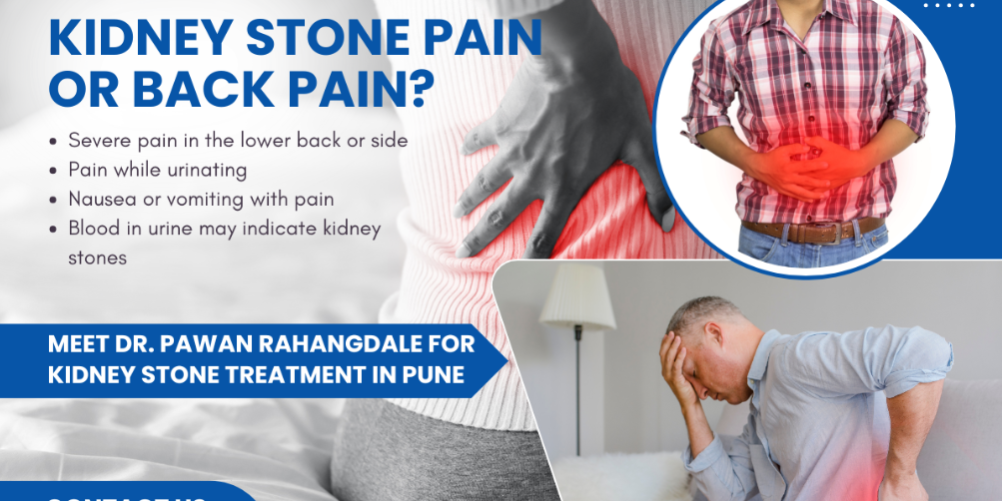
Back pain is one of the most common health complaints among adults. Many people assume it is caused by poor posture, muscle strain, long working hours, or lack of exercise. However, not all back pain is related to muscles or the spine. In some cases, severe pain in the lower back or side of the body may actually be linked to kidney stones.
Ignoring the early warning signs can delay proper diagnosis and lead to complications such as urinary infections, kidney damage, or intense pain episodes. Understanding the difference between regular back pain and kidney stone pain is important for getting timely kidney stone treatment and protecting your overall urinary health.
Many patients searching for a kidney cancer specialist in Pune often visit a urologist after experiencing persistent pain, blood in urine, or urinary discomfort that initially seemed harmless. According to Dr. Pawan Rahangdale, recognizing the symptoms early can help patients avoid unnecessary complications and receive the right treatment at the right time.
What Are Kidney Stones?
Kidney stones are hard mineral and salt deposits that form inside the kidneys. These stones can vary in size, from tiny crystal-like particles to larger stones that block the urinary tract.
According to the National Kidney Foundation, approximately 1 in 10 people will experience a kidney stone during their lifetime. Source: https://www.kidney.org/
Kidney stones develop due to several reasons, including dehydration, high salt intake, obesity, certain medical conditions, and family history. While some small stones pass naturally through urine, larger stones may require medical intervention and advanced kidney stone treatment.
Kidney Stone Pain vs Regular Back Pain
One of the biggest reasons kidney stones are overlooked is because the pain often resembles common back pain. However, there are important differences.
Regular back pain usually develops gradually and may worsen with movement, poor posture, or physical activity. It often improves with rest, stretching, or pain relief medications.
Kidney stone pain, on the other hand, is typically sudden, sharp, and extremely intense. It may begin in the side or lower back and move toward the abdomen or groin area as the stone travels through the urinary tract.
Key Differences You Should Notice
- Kidney stone pain often comes in waves and changes intensity frequently
- Pain is usually felt on one side of the body
- The discomfort may not improve with changing posture or resting
- Back pain from muscles is generally linked to movement or strain
- Kidney stone pain may occur along with urinary symptoms
The Mayo Clinic states that kidney stone pain is often severe enough to require emergency medical attention. Source: https://www.mayoclinic.org/
Warning Signs You Should Never Ignore
While pain is the most common symptom, kidney stones can cause several other warning signs that should not be ignored.
1. Blood in Urine
Urine may appear pink, red, or brown due to irritation caused by the stone. Even small amounts of blood should be evaluated by a urologist.
2. Burning Sensation While Urinating
Many patients mistake this symptom for a urinary tract infection. Kidney stones can irritate the urinary tract and make urination painful.
3. Frequent Urge to Urinate
If you suddenly feel the need to urinate more often, especially with discomfort, it could indicate a stone moving closer to the bladder.
4. Nausea and Vomiting
Severe kidney stone pain can trigger nausea and vomiting because the kidneys and digestive system share nerve connections.
5. Fever and Chills
If kidney stones are accompanied by fever or chills, it may signal an infection that requires immediate medical care.
The National Institute of Diabetes and Digestive and Kidney Diseases warns that untreated urinary blockage from kidney stones can increase the risk of infection and kidney damage. Source: https://www.niddk.nih.gov/
Why Early Kidney Stone Treatment Matters
Some people try to tolerate kidney stone symptoms, hoping the pain will disappear on its own. Unfortunately, delaying treatment can worsen the condition.
Early kidney stone treatment helps:
- Prevent severe urinary infections
- Reduce the risk of kidney damage
- Relieve intense pain quickly
- Improve urine flow
- Avoid emergency complications
Smaller stones are generally easier to manage than larger ones. Timely diagnosis allows doctors to recommend the most effective treatment option before complications develop.
Who Is More Likely to Develop Kidney Stones?
Certain lifestyle and health factors can increase your risk of developing kidney stones.
Common Risk Factors Include:
- Drinking insufficient water
- High sodium diet
- Excessive intake of processed foods
- Obesity
- Family history of kidney stones
- Diabetes or metabolic disorders
- Recurrent urinary infections
According to Harvard Health Publishing, dehydration remains one of the leading causes of kidney stone formation because concentrated urine allows minerals to crystallize more easily. Source: https://www.health.harvard.edu/
Maintaining healthy hydration habits is one of the simplest ways to lower the risk of recurrence.
Diagnosis and Advanced Treatment Options
Modern kidney stone treatment has become highly advanced and minimally invasive. A urologist may recommend imaging tests such as ultrasound, CT scan, or urine analysis to identify the size and location of the stone.
Depending on the severity, treatment may include:
- Medications to help pass smaller stones
- Pain management
- Dietary modifications
- Laser stone removal procedures
- Shock wave lithotripsy
- Endoscopic stone removal
Most modern procedures involve shorter recovery times and minimal discomfort compared to traditional surgery.
Can Kidney Stones Be Prevented?
Yes, many kidney stones can be prevented through simple lifestyle changes and medical guidance.
Prevention Tips That Help
- Drink enough water throughout the day
- Limit excess salt intake
- Reduce sugary beverages
- Maintain a healthy weight
- Avoid excessive processed foods
- Follow dietary advice recommended by your urologist
People who have experienced kidney stones once are at a higher risk of recurrence, making preventive care especially important.
When Should You See a Urologist?
You should seek medical attention immediately if you experience:
- Severe lower back or side pain
- Blood in urine
- Fever with urinary discomfort
- Difficulty passing urine
- Persistent nausea or vomiting
Ignoring these symptoms may allow the condition to worsen and increase the risk of complications.
Read More –
- https://www.urovision.co.in/kidney-stones/
- https://www.urovision.co.in/kidney-stone-removal-surgery-purpose-procedure-risks-and-recovery/
- https://www.urovision.co.in/promoting-kidney-health-recognizing-symptoms-and-effective-treatment-of-kidney-disorders/
Expert Kidney Stone Treatment at Urovision Urology Care Clinic
If you are experiencing symptoms that may be related to kidney stones, early evaluation is essential. At Urovision Urology Care Clinic, Dr. Pawan Rahangdale provides advanced diagnosis and personalized care for patients dealing with urinary and kidney-related conditions.
The clinic offers modern kidney stone treatment options tailored to the patient’s condition, helping individuals recover safely and comfortably with expert urological care.
For patients searching for trusted kidney stone treatment in Pune, Urovision Urology Care Clinic focuses on accurate diagnosis, advanced treatment technology, and compassionate patient support to help you regain your health and avoid future complications.
#KidneyStoneTreatment #UrologyCare #KidneyHealth #BackPainAwareness #KidneyStoneSymptoms #UrologistInPune #UrinaryHealth #KidneyCare #HealthcareAwareness #DrPawanRahangdale