
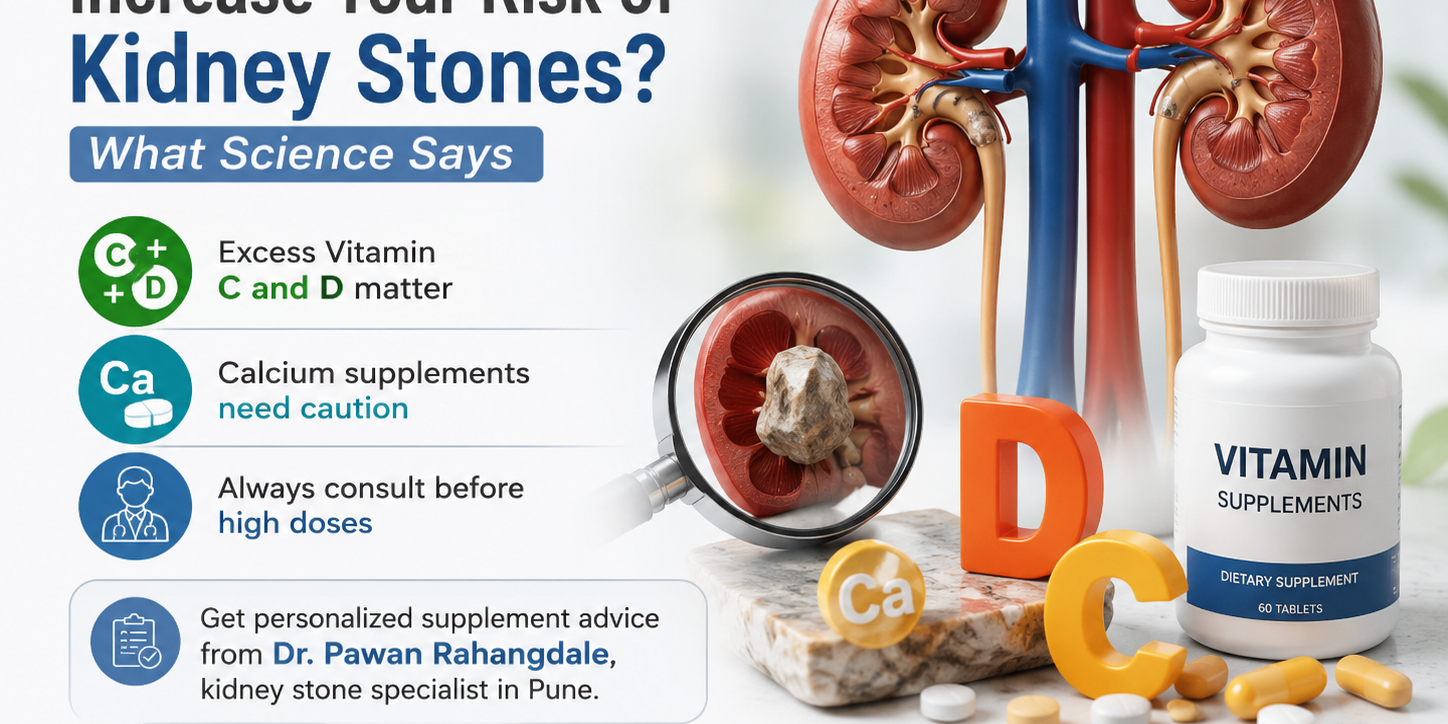
Popping a daily multivitamin or a vitamin C tablet feels like one of the safest health habits out there. Most of us assume that if something is sold over the counter and marketed as “immunity boosting” or “good for the bones,” it can’t possibly cause harm. But research over the past decade tells a more nuanced story, especially when it comes to two of the most commonly used supplements: vitamin C and vitamin D.
If you’ve ever wondered whether your daily supplement routine could be quietly working against your kidneys, here’s what the science actually shows.
Vitamin C: The Supplement Most Strongly Linked to Kidney Stones
Vitamin C, or ascorbic acid, is essential for immunity, skin health, and wound healing, and getting it from fruits and vegetables is considered completely safe. The concern arises specifically with high-dose supplementation.
When vitamin C is ingested in large amounts, part of it gets converted into oxalate and excreted through urine. Oxalate is one of the main compounds that binds with calcium to form calcium oxalate stones, the most common type of kidney stone. A metabolic study found that taking 2 grams of ascorbic acid daily increased urinary oxalate excretion by about 22% (PMC, Vitamin C Intake and Kidney Stone Risk).
The evidence from large population studies backs this up:
- In the Health Professionals Follow-Up Study, men who took 1,000 mg or more of total vitamin C daily had a 41% higher risk of developing kidney stones compared to those consuming 90 mg or less (PMC).
- A large Swedish cohort study of over 23,000 men found that regular users of vitamin C supplements had almost double the risk of kidney stones compared to non-users (ScienceDaily, Karolinska Institutet).
- Notably, vitamin C from dietary sources like citrus fruits and vegetables was not linked to the same increased risk, suggesting the concern is specific to concentrated, high-dose supplements rather than food-based intake.
This distinction matters. Eating an orange a day is very different from taking a 1,000 mg vitamin C tablet daily, and the research is fairly consistent that it’s the latter that raises concern.
Vitamin D and Calcium: A More Complicated Picture
Vitamin D’s relationship with kidney stones is less straightforward than vitamin C’s. Since vitamin D helps the body absorb calcium, there’s a reasonable biological basis for concern that high doses could raise calcium levels in urine and contribute to stone formation.
However, the research findings have been mixed. One review pointed out that vitamin D supplementation up to the standard upper tolerable dose of 4,000 IU per day does not appear to significantly increase kidney stone risk on its own, although it may raise the risk of hypercalciuria, meaning excess calcium in the urine (PMC, Vitamin C and D Supplementation Review). A large-scale analysis using UK Biobank data involving over 445,000 participants similarly found that high vitamin D levels were associated with a slightly higher prevalence of hypercalcemia but did not show an increased risk of kidney stones (PMC, UK Biobank Study).
That said, some studies have observed the opposite, particularly when vitamin D is taken alongside calcium supplements rather than on its own. Much of the earlier concern about vitamin D and stone risk actually came from studies where calcium co-supplementation wasn’t properly separated out, making it hard to know which nutrient was really responsible.
A few points worth keeping in mind if you’re taking vitamin D or calcium supplements:
- The combination of vitamin D with calcium supplements appears to carry more risk than either one taken alone.
- People with a personal or family history of kidney stones should be more cautious with high-dose supplementation.
- Rare genetic conditions affecting vitamin D metabolism can make some individuals more prone to elevated calcium levels and stone formation.
Why This Matters More Than People Realise
Supplements got a real spike in attention during the COVID-19 pandemic, when online interest in vitamin C surged nearly fourfold as people looked for ways to boost immunity (PMC, Public Interest in Vitamin C Study). Many people started self-prescribing high doses without realising that vitamin C, taken this way, could be quietly increasing their long-term kidney stone risk. That same study also found that daily vitamin C supplement use nearly doubled kidney stone risk in men, while general multivitamin use was not linked to any increased risk, which is a useful distinction for anyone trying to figure out which supplements are actually worth worrying about.
The takeaway isn’t that supplements are dangerous across the board. It’s that megadosing, taking far more than the body actually needs, is where the real risk lies. Getting nutrients through a balanced diet remains the safer route for most people, and supplementation should ideally be guided by an actual deficiency rather than a general assumption that “more is better.”
When to Get Checked and Where Kidney Stone Treatment in Pune Can Help
If you’ve been taking high-dose vitamin C or a combination of vitamin D and calcium supplements for a while and start noticing symptoms like flank pain, blood in urine, or discomfort while urinating, it’s worth getting evaluated rather than assuming it’s unrelated. A simple urine test can reveal whether oxalate or calcium levels are higher than they should be, long before a stone becomes painful enough to send you to the emergency room.
Read More –
- Treatment For Kidney Stones at Medicover – Causes & Symptoms
- Your Kidney Keep Your Bones Healthy
- Say Goodbye to Kidney Stones: Advanced Treatments at Urovision Urology Care Clinic
How Urovision Urology Care Clinic Can Help
Whether your kidney stone risk comes from supplements, diet, dehydration, or a combination of factors, getting an accurate diagnosis is the first step toward lasting relief. At Urovision Urology Care Clinic, patients receive detailed evaluation, including urine and imaging tests, to understand exactly what’s contributing to stone formation in their case.
The clinic offers comprehensive kidney stone treatment in Pune, from dietary and supplement guidance for early-stage prevention to advanced procedures like lithotripsy and laser stone removal for existing stones. Led by Dr. Pawan Rahangdale, the team takes a personalized approach, because effective kidney stone treatment isn’t just about removing a stone, it’s about understanding why it formed in the first place and preventing the next one.
If you take supplements regularly and want peace of mind about your kidney health, a quick consultation can tell you far more than guesswork ever will.
Frequently Asked Questions
- Can taking vitamin C supplements really cause kidney stones?
High-dose vitamin C supplementation, typically 1,000 mg per day or more, has been linked to a significantly higher risk of kidney stones in multiple studies, largely because excess vitamin C converts into oxalate in the body. Vitamin C from food sources like fruits and vegetables has not shown the same risk, so the concern is specific to concentrated supplements rather than dietary intake. - Is vitamin D supplementation safe for people prone to kidney stones?
Vitamin D at standard recommended doses generally does not significantly increase kidney stone risk on its own, though it can raise calcium levels in urine in some people. The risk appears to increase mainly when vitamin D is combined with calcium supplements. Anyone with a history of kidney stones should consult a urologist offering kidney stone treatment before starting high-dose vitamin D. - How do I know if my supplement routine is affecting my kidney stone risk?
The best way to know is through a 24-hour urine test, which measures oxalate, calcium, and other stone-forming substances in your urine. If you take high-dose vitamin C or combined vitamin D and calcium supplements regularly, discussing this with a urologist can help determine whether your current routine needs adjustment.
#KidneyStones #VitaminSupplements #UrologyCare #HealthyLiving #KidneyHealth #PuneHealthcare #UrovisionUrologyCareClinic #DrPawanRahangdale #PreventiveHealthcare #NutritionFacts