
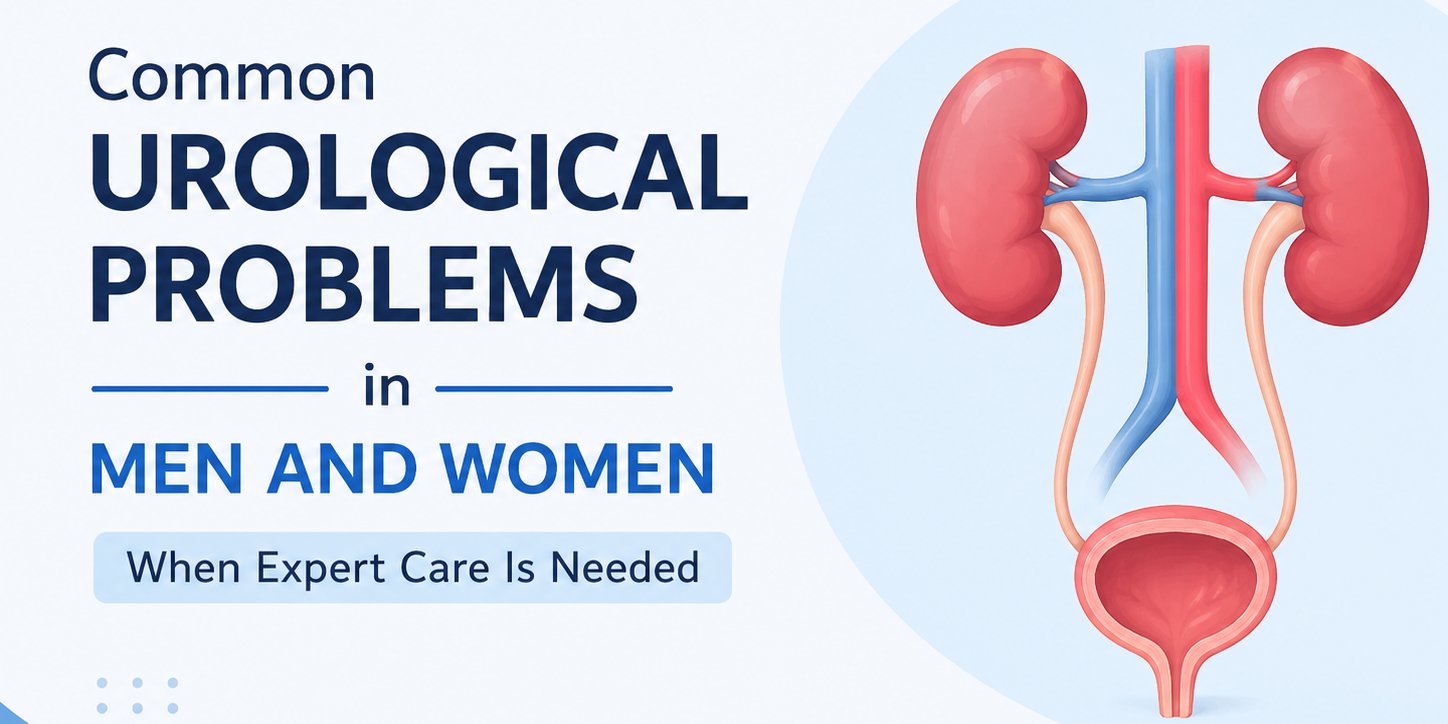
Urological health plays a crucial role in overall well-being, yet many people ignore symptoms involving the urinary tract or reproductive system until they become severe. Urological conditions can affect both men and women of all ages, leading to discomfort, reduced quality of life, and, in some cases, serious health complications if left untreated.
According to Dr. Pawan Rahangdale, early diagnosis and timely treatment can help prevent complications and improve long-term outcomes. Whether you are experiencing recurring urinary symptoms or seeking kidney stone treatment in Pune, understanding common urological problems can help you know when it’s time to consult a urologist.
In this article, we explore the most common urological conditions affecting men and women and explain when expert care is necessary.
What Does a Urologist Treat?
A urologist specializes in diagnosing and treating conditions involving the urinary tract and, in men, the reproductive system.
The urinary tract includes:
- Kidneys
- Ureters
- Bladder
- Urethra
Urologists also manage conditions involving the prostate, testes, and male reproductive organs.
Many urological disorders can initially present with mild symptoms, making early evaluation important for effective treatment.
Urinary Tract Infections: More Than Just a Temporary Problem
Urinary tract infections (UTIs) are among the most common urological conditions, particularly in women.
According to the National Institute of Diabetes and Digestive and Kidney Diseases (NIDDK), more than half of all women will experience at least one UTI during their lifetime.
Source: https://www.niddk.nih.gov
Common symptoms include:
- Burning sensation during urination
- Frequent urge to urinate
- Cloudy or foul-smelling urine
- Pelvic discomfort
- Blood in the urine
While occasional infections can often be treated easily, recurrent UTIs may indicate underlying issues such as urinary tract abnormalities, kidney stones, or bladder dysfunction. A urologist can help identify the root cause and prevent repeated infections.
Kidney Stones: A Growing Health Concern
Kidney stones are hard mineral deposits that form inside the kidneys and can cause severe pain when they move through the urinary tract.
Symptoms may include:
- Intense pain in the back or side
- Pain during urination
- Blood in the urine
- Nausea and vomiting
- Frequent urination
Research published by the National Kidney Foundation estimates that approximately 1 in 10 people will develop a kidney stone during their lifetime.
Source: https://www.kidney.org
While some stones pass naturally, larger stones often require specialized treatment from a urologist. Delaying care can increase the risk of infection and kidney damage.
Overactive Bladder and Urinary Incontinence
Many people assume urinary leakage is a normal part of aging, but it is often a treatable medical condition.
Overactive bladder and urinary incontinence can affect both men and women.
Common symptoms include:
- Sudden, strong urge to urinate
- Frequent urination during the day
- Waking multiple times at night to urinate
- Accidental urine leakage
The Urology Care Foundation reports that millions of adults worldwide experience some form of urinary incontinence.
Source: https://www.urologyhealth.org
A urologist can recommend lifestyle modifications, medications, pelvic floor therapies, or advanced treatment options depending on the severity of symptoms.
Enlarged Prostate in Men
As men age, the prostate gland often increases in size, a condition known as benign prostatic hyperplasia (BPH).
According to the Urology Care Foundation, BPH affects approximately half of men between ages 51 and 60, with prevalence increasing further after age 60.
Source: https://www.urologyhealth.org
Symptoms may include:
- Weak urine flow
- Difficulty starting urination
- Frequent urination, especially at night
- Feeling that the bladder does not empty completely
Although BPH is not cancerous, untreated enlargement can significantly impact quality of life and may lead to urinary retention or bladder complications.
Blood in the Urine Should Never Be Ignored
Seeing blood in the urine can be alarming, and for good reason.
Possible causes include:
- Urinary tract infections
- Kidney stones
- Enlarged prostate
- Kidney disease
- Bladder or kidney cancer
Even when blood appears only once and disappears, it warrants medical evaluation. Early diagnosis is essential because serious conditions often present with few other symptoms.
A urologist can perform imaging studies and diagnostic testing to determine the underlying cause.
Urological Conditions That Affect Women
Although many people associate urology with men’s health, women frequently require urological care as well.
Some common conditions include:
Urinary Incontinence
Women are particularly vulnerable to urinary leakage due to pregnancy, childbirth, menopause, and pelvic floor weakness.
Recurrent UTIs
Women have a higher risk of recurrent infections because of anatomical factors.
Pelvic Floor Disorders
Weak pelvic floor muscles can contribute to bladder control issues and pelvic organ prolapse.
Early consultation with a urologist can help improve symptoms and prevent progression.
Urological Conditions That Affect Men
Men face several unique urological concerns that require specialized care.
Erectile Dysfunction
Erectile dysfunction may result from vascular disease, diabetes, hormonal imbalances, or psychological factors.
Prostate Disorders
Conditions such as BPH, prostatitis, and prostate cancer become increasingly common with age.
Male Infertility
A urologist can evaluate reproductive health concerns and identify potential causes affecting fertility.
Prompt evaluation often leads to more effective treatment options.
When Should You See a Urologist?
Many people wait until symptoms become severe before seeking help. However, early intervention often results in simpler and more successful treatment.
Consider scheduling an appointment if you experience:
- Frequent urinary tract infections
- Blood in the urine
- Persistent urinary urgency or frequency
- Difficulty urinating
- Kidney stone symptoms
- Pelvic or lower abdominal pain
- Urinary leakage
- Erectile dysfunction or fertility concerns
Seeking medical advice early can help prevent complications and protect long-term urinary health.
The Importance of Early Diagnosis
Many urological conditions share similar symptoms, making professional evaluation essential. Early diagnosis not only improves treatment outcomes but can also help identify serious conditions such as kidney disease, bladder disorders, or cancers before they progress.
Regular health checkups and attention to urinary symptoms can make a significant difference in maintaining overall health and quality of life.
Conclusion
Urological problems affect millions of people and can significantly impact daily life if left untreated. Conditions such as urinary tract infections, kidney stones, urinary incontinence, enlarged prostate, and blood in the urine should never be ignored. Recognizing symptoms early and consulting a qualified urologist can lead to faster diagnosis, more effective treatment, and better long-term outcomes.
At Urovision Urology Care Clinic, Dr. Pawan Rahangdale provides comprehensive diagnosis and treatment for a wide range of urological conditions, including kidney stones, prostate disorders, urinary tract infections, urinary incontinence, and urological cancers. Using advanced diagnostic techniques and personalized treatment plans, the clinic is committed to helping patients achieve better urinary and reproductive health. If you are looking for an experienced urologist in Pune, Urovision Urology Care Clinic offers expert care tailored to your individual needs.
#urologistinpune #urologycare #drpawanrahangdale #kidneystoneawareness #urinaryhealth #prostatehealth #urologist #menshealth #womenshealth #healthcareawareness