
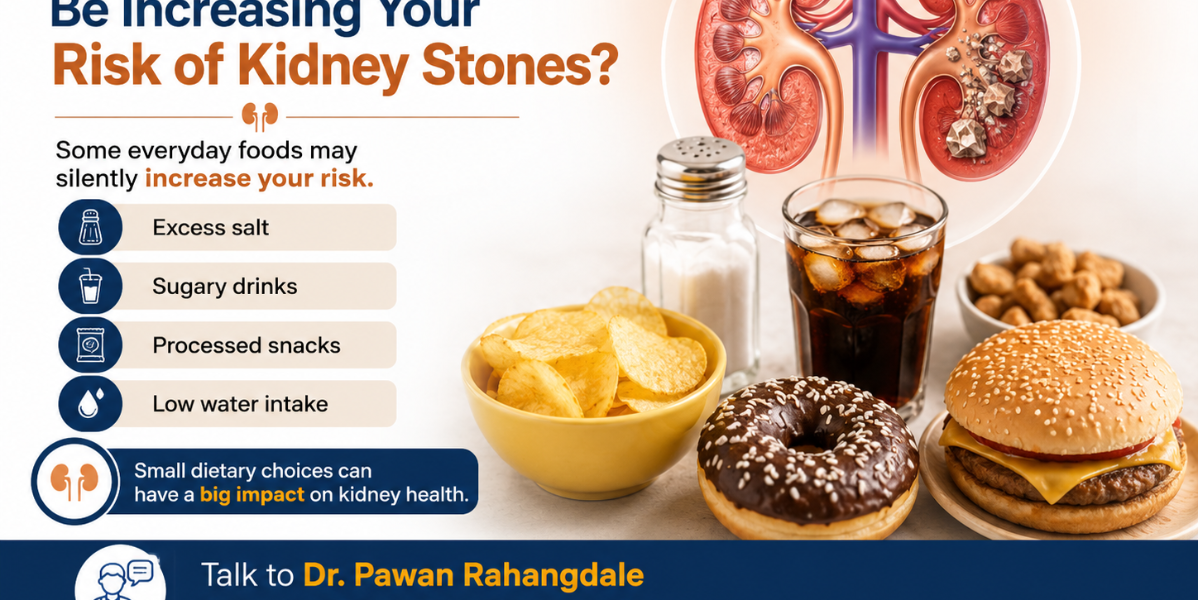
Kidney stones are one of the most common urinary tract conditions affecting millions of people worldwide. These hard mineral deposits form inside the kidneys and can cause severe pain, nausea, urinary problems, and even complications if left untreated. While genetics, hydration levels, and certain medical conditions play a role, many people are surprised to learn that their daily food choices can significantly influence their risk of developing kidney stones.
If you have experienced kidney stones before or are trying to prevent them, understanding the connection between diet and stone formation is essential. Consulting an experienced urologist in Pune can help identify your individual risk factors and guide you toward healthier dietary habits.
Dr. Pawan Rahangdale, a renowned urology specialist, often emphasizes that prevention starts with awareness. Many foods we consider healthy or consume regularly may contribute to kidney stone formation when eaten in excess.
Understanding How Kidney Stones Form
Kidney stones develop when minerals and salts in the urine become highly concentrated and crystallize. Over time, these crystals can stick together and grow into stones.
According to the National Institute of Diabetes and Digestive and Kidney Diseases (NIDDK), kidney stones affect approximately 1 in 10 people during their lifetime.
Source: https://www.niddk.nih.gov/health-information/urologic-diseases/kidney-stones
The most common type is the calcium oxalate stone, accounting for nearly 80% of all kidney stones. Other types include uric acid stones, struvite stones, and cystine stones.
Source: https://www.kidney.org/kidney-topics/kidney-stones
While not every stone is caused by diet, certain foods can increase the concentration of stone-forming substances in urine.
Foods That May Increase Your Risk of Kidney Stones
Many people unknowingly consume foods that can contribute to stone formation. This does not necessarily mean you must eliminate them completely, but moderation is important.
1. High Oxalate Foods
Oxalate is a naturally occurring compound found in many plant-based foods. When oxalate combines with calcium in urine, calcium oxalate stones can form.
Some high-oxalate foods include:
- Spinach
- Beetroot
- Sweet potatoes
- Nuts and nut butter
- Chocolate
- Rhubarb
According to Harvard T.H. Chan School of Public Health, individuals prone to calcium oxalate stones may benefit from limiting excessive oxalate intake while maintaining adequate dietary calcium.
Source: https://www.hsph.harvard.edu/nutritionsource
2. Excess Salt Intake
Modern diets are often loaded with sodium. Too much salt causes the kidneys to excrete more calcium into the urine, increasing the likelihood of stone formation.
Common sources of excess sodium include:
- Packaged snacks
- Processed foods
- Fast food meals
- Instant noodles
- Processed meats
The American Urological Association recommends reducing sodium intake as part of kidney stone prevention strategies.
Source: https://www.auanet.org
3. Animal Protein in Excess
Eating large quantities of animal protein can increase uric acid levels and reduce citrate levels in urine. Citrate helps prevent stone formation.
Foods that may contribute when consumed excessively include:
- Red meat
- Organ meats
- Poultry
- Shellfish
A balanced approach to protein consumption can help reduce stone risk while supporting overall health.
Are Healthy Foods Always Safe for Kidney Stone Patients?
Not necessarily.
Many nutritious foods contain compounds that may contribute to stone formation in susceptible individuals. For example, spinach is rich in vitamins and antioxidants, but it is also one of the highest dietary sources of oxalates.
Similarly, nuts provide healthy fats and protein but can contribute to oxalate intake when consumed excessively.
The goal is not to avoid healthy foods entirely but to create a balanced diet tailored to your specific risk factors. This is why dietary counseling is often an important part of kidney stone treatment.
The Hidden Role of Sugary Drinks
One dietary factor that often gets overlooked is beverage consumption.
Research published by the Clinical Journal of the American Society of Nephrology found that sugar-sweetened beverages may be associated with a higher risk of kidney stone formation.
Source: https://cjasn.asnjournals.org
Soft drinks, packaged fruit beverages, and energy drinks can contribute to dehydration and increase urinary concentrations of stone-forming substances.
Replacing sugary beverages with water is one of the simplest and most effective preventive measures.
What Should You Eat Instead?
A kidney-friendly diet focuses on balance rather than strict restrictions.
Consider including:
- Adequate water throughout the day
- Citrus fruits such as lemons and oranges
- Moderate amounts of dairy products
- Fresh vegetables with lower oxalate content
- Whole grains
- Fruits rich in potassium
The National Kidney Foundation recommends maintaining adequate dietary calcium intake because too little calcium may actually increase oxalate absorption and raise stone risk.
Source: https://www.kidney.org
How Hydration Protects Your Kidneys
One of the strongest risk factors for kidney stones is inadequate fluid intake.
When urine becomes concentrated, minerals are more likely to crystallize and form stones. Drinking enough water dilutes these substances and reduces stone risk.
Many experts recommend producing at least 2 to 2.5 liters of urine daily for stone prevention. This generally requires consuming more than 2 liters of fluids per day, depending on climate and activity levels.
People living in warmer regions or those who exercise regularly may require even higher fluid intake.
When to Seek Kidney Stone Treatment
Although small kidney stones may pass naturally, larger stones often require medical attention.
Common symptoms include:
- Severe pain in the back or side
- Burning sensation during urination
- Blood in urine
- Frequent urge to urinate
- Nausea and vomiting
- Fever or chills in case of infection
If you experience any of these symptoms, prompt evaluation is essential. Early kidney stone treatment can help prevent complications such as urinary obstruction, recurrent infections, and kidney damage.
Modern treatment options may include medications, minimally invasive procedures, laser stone removal, or advanced surgical techniques depending on the size and location of the stone.
Read More –
- https://www.urovision.co.in/kidney-stones/
- https://www.urovision.co.in/kidney-cancer-myths-and-facts/
- https://www.urovision.co.in/kidney-stone-removal-surgery-purpose-procedure-risks-and-recovery/
Conclusion
Your favorite foods may be contributing more to your kidney stone risk than you realize. Excess sodium, high-oxalate foods, large amounts of animal protein, and sugary beverages can all increase the likelihood of stone formation in susceptible individuals.
Fortunately, simple dietary changes, proper hydration, and regular medical guidance can significantly reduce your risk. Understanding how nutrition affects kidney health is an important step toward long-term prevention and overall wellness.
For individuals seeking expert kidney stone treatment in Pune, Urovision Urology Care Clinic provides comprehensive evaluation, advanced diagnostic services, personalized prevention plans, and modern treatment options. Under the guidance of Dr. Pawan Rahangdale, patients receive evidence-based care designed to effectively manage kidney stones and reduce the risk of recurrence.
#KidneyStoneTreatment #KidneyStonePrevention #UrologyCare #KidneyHealth #DrPawanRahangdale #UrovisionUrologyCareClinic #KidneyStoneTreatmentInPune #UrologistInPune