
Erectile dysfunction (ED) is a common condition that affects many men at different stages of life. While stress and emotional factors can contribute to ED, several physical health conditions are also major causes. Understanding these causes is the first step toward effective treatment and improved quality of life.
According to Dr. Pawan Rahangdale, Urologist in Pune, identifying the underlying medical reason behind erectile dysfunction is essential for proper diagnosis and long-term management.
What Is Erectile Dysfunction?
Erectile dysfunction is the inability to achieve or maintain an erection suitable for sexual activity. Occasional difficulties are normal, but persistent symptoms may indicate an underlying health issue that requires medical attention.
Common Physical Causes of Erectile Dysfunction
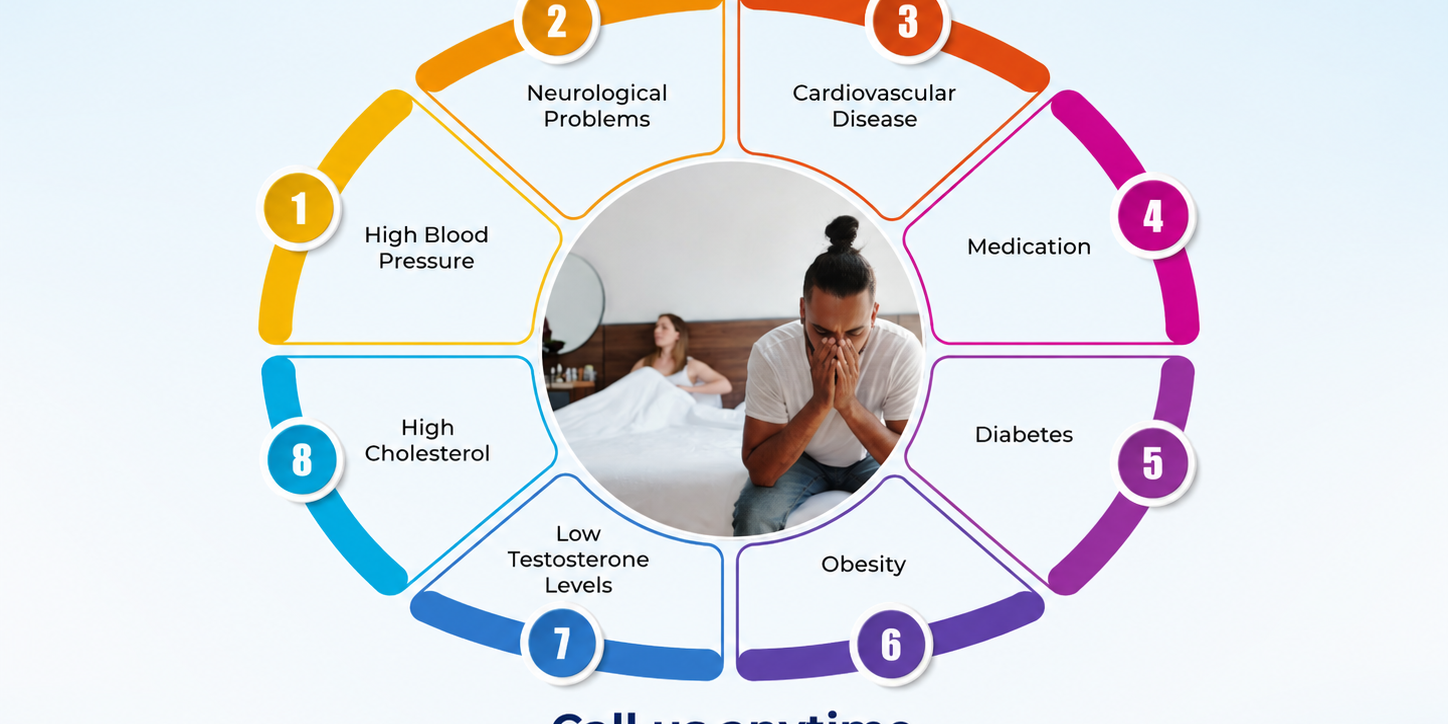
1. High Blood Pressure
High blood pressure can damage blood vessels and reduce blood flow to the penis, making it difficult to maintain an erection. Men with hypertension often experience reduced sexual performance over time.
2. Neurological Problems
Conditions affecting the nervous system, such as spinal cord injuries, Parkinson’s disease, or multiple sclerosis, can interfere with the nerve signals required for an erection.
3. Cardiovascular Disease
Heart disease and poor circulation are strongly linked to erectile dysfunction. Since erections depend on healthy blood flow, cardiovascular problems may directly affect sexual health.
4. Certain Medications
Some medications used to treat depression, high blood pressure, or anxiety may have side effects that contribute to ED. Consulting an experienced specialist can help identify safer alternatives when necessary.
5. Diabetes
Diabetes is one of the leading causes of erectile dysfunction in men. High blood sugar levels can damage blood vessels and nerves, significantly affecting sexual function.
6. Obesity
Excess body weight can lower testosterone levels and increase the risk of vascular disease and diabetes, all of which contribute to erectile dysfunction.
7. Low Testosterone Levels
Hormonal imbalance, especially reduced testosterone levels, can lead to low libido, fatigue, and erection difficulties. Hormone evaluation may be recommended for patients experiencing these symptoms.
8. High Cholesterol
High cholesterol can narrow blood vessels and restrict blood circulation. This affects the body’s ability to maintain proper blood flow during sexual activity.
When Should You See a Urologist?
If erectile dysfunction becomes frequent or starts affecting your confidence and relationships, seeking professional help is important. Early diagnosis can help identify serious underlying health conditions such as heart disease or diabetes.
Dr. Pawan Rahangdale, a trusted urologist in Pune, offers advanced diagnosis and treatment options for erectile dysfunction, kidney stones, prostate conditions, and other urological disorders.
Treatment Options for Erectile Dysfunction
Treatment depends on the underlying cause and may include:
- Lifestyle modifications
- Medication management
- Hormone therapy
- Treatment for diabetes or heart disease
- Counseling and stress management
- Advanced urological treatments
A personalized treatment plan can significantly improve both sexual health and overall well-being.
Conclusion
Erectile dysfunction is often a sign of an underlying physical health condition rather than just aging or stress. Proper evaluation by an experienced specialist can help identify the exact cause and provide effective treatment.
If you are experiencing symptoms of erectile dysfunction, consult Dr. Pawan Rahangdale, Urologist in Pune, for expert guidance and comprehensive urological care.