
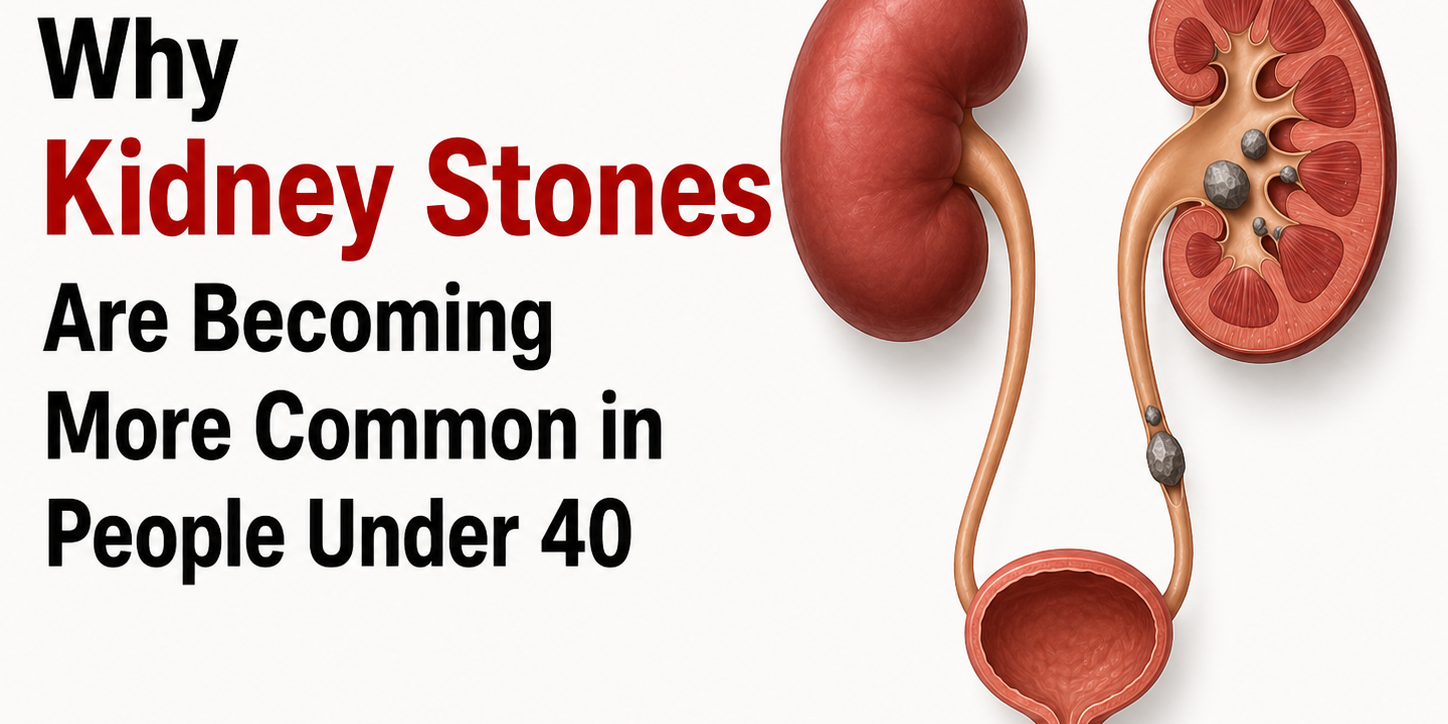
Why Kidney Stones Are Becoming More Common in People Under 40
Kidney stones were once considered a health problem that mainly affected middle-aged and older adults. However, in recent years, doctors have noticed a significant rise in kidney stone cases among younger individuals, particularly those under the age of 40. What was once uncommon in young adults is now becoming a frequent reason for emergency room visits and consultations with urologists.
According to research published by the National Kidney Foundation, approximately 1 in 10 people will develop a kidney stone during their lifetime, and the incidence is increasing globally, especially among younger adults. Source: https://www.kidney.org
The growing trend raises an important question: Why are kidney stones becoming more common in younger people?
Understanding the causes can help individuals make lifestyle changes and seek timely kidney stone treatment before complications arise.
In many cases, consulting an experienced urologist in Pune can help identify risk factors early and prevent recurrent stone formation.
Understanding Kidney Stones
Kidney stones are hard deposits made of minerals and salts that form inside the kidneys. They develop when urine becomes concentrated, allowing minerals such as calcium, oxalate, and uric acid to crystallize and stick together.
While some small stones may pass naturally, larger stones can cause severe pain, urinary blockage, infections, and kidney damage if left untreated.
The increasing prevalence among younger adults is closely linked to modern lifestyle habits and environmental factors.
Why Are More People Under 40 Developing Kidney Stones?
Several factors are contributing to the rise in kidney stone cases among younger populations.
1. Chronic Dehydration and Inadequate Water Intake
One of the biggest reasons behind increasing kidney stone cases is inadequate hydration.
Many young adults spend long hours at work, in college, or using digital devices and often forget to drink enough water. Dehydration causes urine to become more concentrated, increasing the likelihood of crystal formation.
According to the National Institute of Diabetes and Digestive and Kidney Diseases (NIDDK), drinking sufficient fluids is one of the most effective ways to reduce kidney stone risk.
Source: https://www.niddk.nih.gov
In hot climates such as India, the risk becomes even greater because the body loses more water through sweating.
2. Increased Consumption of Processed and Fast Foods
Modern dietary habits have changed dramatically over the last two decades.
Many young adults frequently consume:
- Processed snacks
- Fast food meals
- Sugary beverages
- High-sodium packaged foods
High sodium intake increases calcium levels in urine, which can contribute to stone formation. Research from Harvard Medical School highlights a strong connection between excessive dietary salt and kidney stone risk.
Source: https://www.health.harvard.edu
The popularity of convenience foods has made this risk factor increasingly common among people under 40.
3. Rising Rates of Obesity
Obesity has become a global health concern, and it is also closely linked to kidney stones.
Studies have shown that overweight individuals have a higher risk of developing kidney stones due to metabolic changes that affect urine composition.
According to the Centers for Disease Control and Prevention (CDC), obesity rates among young adults continue to rise worldwide, contributing to several chronic conditions, including kidney stone disease.
Source: https://www.cdc.gov
Excess body weight can increase the levels of substances that promote stone formation, making effective weight management an important preventive strategy.
Lifestyle Habits Increasing the Need for Kidney Stone Treatment
Many everyday habits unknowingly increase the likelihood of stone formation.
Sedentary Lifestyle
Long hours of sitting at desks, working remotely, or spending time on mobile devices can negatively affect overall metabolic health.
Physical inactivity may contribute to obesity, poor hydration habits, and metabolic changes that increase stone risk.
Excessive Soft Drink Consumption
Sugary drinks and carbonated beverages often replace water in many young adults’ diets.
Research published in the Clinical Journal of the American Society of Nephrology found that regular consumption of sugar-sweetened beverages may increase kidney stone risk.
Source: https://cjasn.asnjournals.org
High Protein Diet Trends
Many fitness enthusiasts consume high-protein diets or supplements without understanding the potential impact on kidney health.
Excessive animal protein consumption may:
- Increase uric acid levels
- Reduce citrate levels in urine
- Promote stone formation in susceptible individuals
Balanced nutrition remains essential for long-term kidney health.
The Role of Genetics
While lifestyle factors are major contributors, genetics can also play a significant role.
Individuals with a family history of kidney stones are more likely to develop them themselves. Certain inherited metabolic conditions can increase the concentration of stone-forming substances in urine.
If close family members have experienced recurrent kidney stones, regular monitoring and preventive care become even more important.
Warning Signs You Should Never Ignore
Early diagnosis can prevent complications and reduce the need for more invasive kidney stone treatment procedures.
Common symptoms include:
- Severe pain in the back, side, or lower abdomen
- Pain while urinating
- Blood in urine
- Frequent urge to urinate
- Nausea and vomiting
- Cloudy or foul-smelling urine
Anyone experiencing these symptoms should seek medical evaluation promptly.
How to Reduce Your Risk of Kidney Stones
Fortunately, many kidney stones can be prevented through simple lifestyle changes.
Practical Prevention Tips
- Drink enough water throughout the day to maintain clear or light-colored urine.
- Reduce salt intake and limit processed foods.
- Maintain a healthy body weight.
- Limit excessive consumption of sugary beverages.
- Follow a balanced diet rich in fruits and vegetables.
- Stay physically active.
- Seek medical advice if you have a family history of kidney stones.
These measures can significantly lower the risk of developing stones and recurring episodes.
Modern Advances in Kidney Stone Treatment
Medical technology has made kidney stone treatment safer and more effective than ever before.
Depending on the size and location of the stone, treatment options may include:
- Medication and observation
- Extracorporeal Shock Wave Lithotripsy (ESWL)
- Ureteroscopy with laser stone removal
- Percutaneous Nephrolithotomy (PCNL)
- Minimally invasive surgical procedures
Early diagnosis often allows treatment with less invasive methods and faster recovery times.
When Should You See a Specialist?
Persistent pain, recurring urinary infections, blood in urine, or repeated stone episodes should never be ignored.
A qualified urologist can identify the underlying cause of stone formation, recommend preventive strategies, and provide appropriate treatment before complications develop.
Expert Kidney Stone Treatment in Pune at Urovision Urology Care Clinic
As kidney stone cases continue to rise among younger adults, timely diagnosis and expert care have become increasingly important. At Urovision Urology Care Clinic, Dr. Pawan Rahangdale provides comprehensive evaluation, advanced diagnostic services, and personalized treatment plans for patients suffering from kidney stones.
Whether you are experiencing symptoms for the first time or dealing with recurrent stones, the clinic offers advanced solutions for effective kidney stone treatment in Pune with a focus on long-term prevention and improved urinary health. Under the expert guidance of Dr. Pawan Rahangdale, patients receive compassionate care and modern treatment options designed to help them return to a healthy, active lifestyle.
Conclusion
The rise of kidney stones in people under 40 is largely driven by modern lifestyle habits, dietary changes, obesity, and inadequate hydration. While the trend is concerning, many risk factors are preventable. Staying hydrated, eating a balanced diet, maintaining a healthy weight, and seeking timely medical care can significantly reduce the chances of developing kidney stones.
If symptoms occur, early intervention and professional kidney stone treatment can help prevent complications and protect long-term kidney health.
#KidneyStoneTreatment #KidneyHealth #KidneyStoneAwareness #UrologyCare #DrPawanRahangdale #UrovisionUrologyCareClinic #KidneyStoneTreatmentInPune #UrologistInPune #PreventKidneyStones #UrinaryHealth
.